






How Technology is Making The Mini-Facelift More Natural-Looking
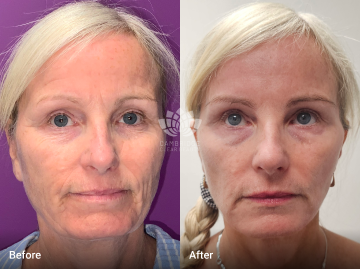
Ageing is a natural part of life, but advancements in cosmetic technology have made it easier than ever to maintain a youthful appearance without the stigma of looking “overdone.” The mini-facelift has become an increasingly popular procedure for individuals who want to rejuvenate their facial features with minimal downtime and subtle, natural-looking results. Thanks to cutting-edge technology, modern mini facelifts are more effective and sophisticated than ever before.
Here, we’ll explore how advancements in technology are improving the mini-facelift, making them safer, more precise, and yielding more natural-looking outcomes.
What is the Mini Facelift?
Before diving into technological advancements, it’s important to understand what a mini facelift is. A mini facelift, often referred to as a “weekend facelift” due to its shorter recovery time, is a less invasive alternative to a traditional facelift. This procedure primarily targets mild to moderate sagging around the jawline, cheeks, and lower face.
Unlike a full facelift, which involves extensive incisions and deeper tissue manipulation, a mini facelift typically requires smaller incisions around the ears and involves lifting and repositioning facial tissues to restore a youthful contour. This approach minimises scarring, reduces downtime, and offers a more refreshed look without dramatically altering facial features.
The Evolution of Facelift Techniques
Decades ago, facelifts had a reputation for producing an unnatural, “pulled” appearance. Older techniques often involved simply tightening the skin without addressing underlying structures, leading to results that looked artificial. Over time, surgeons developed more refined approaches that take into account facial anatomy, muscle structure, and volume loss.
Now, with the integration of modern technology, mini facelifts have become even more sophisticated, allowing surgeons to achieve highly personalised and natural-looking results.
Technological Advancements in Mini Facelifts
3D Imaging and Digital Simulation
One of the biggest advancements in cosmetic surgery is 3D imaging technology, which allows patients and surgeons to preview potential results before undergoing surgery.
- Pre-surgery visualisation – Surgeons can use digital simulations to show patients how subtle changes in their facial structure will look post-surgery.
- Better communication – Patients can provide feedback on their desired look, helping the surgeon tailor the procedure to meet their expectations.
- Enhanced precision – Surgeons can plan their techniques with greater accuracy, reducing the risk of overcorrection or asymmetry.
Popular imaging systems such as Vectra 3D create a detailed analysis of a patient’s face, allowing for more predictable and realistic outcomes.
Advanced Surgical Techniques for More Natural Results
SMAS Lifting Technology
Traditional facelifts primarily tightened the skin, often leading to an unnatural appearance. Today, mini facelifts utilise SMAS (Superficial Musculoaponeurotic System) lifting techniques to create long-lasting, natural-looking results.
- Targets deeper layers – Instead of just pulling the skin, surgeons reposition and tighten the underlying muscles and connective tissues.
- Prevents an overly tight look – By adjusting deeper structures rather than just stretching the skin, the results are smoother and more youthful.
- Longer-lasting outcomes – Since the support structures of the face are addressed, results tend to be more durable compared to older techniques.
Micro-Surgical Tools for Minimal Scarring
Thanks to advancements in surgical tools, microsurgical instruments now allow for:
- Smaller incisions
- Minimal tissue damage
- Faster healing times
- Less noticeable scarring
High-precision scalpels and electrocautery devices reduce trauma to the skin and tissues, leading to cleaner incisions and improved healing.
Laser and Radiofrequency-Assisted Procedures
Modern mini facelifts often incorporate laser and radiofrequency (RF) technology to enhance results and improve skin tightening.
Laser-Assisted Skin Tightening
Laser technology, such as CO2 and fractional lasers, is used to improve skin texture and elasticity. When combined with a mini facelift, it can:
- Reduce fine lines and wrinkles
- Improve skin tone and texture
- Stimulate collagen production for a natural glow
Some surgeons use lasers intraoperatively to enhance precision and minimise bleeding.
Radiofrequency (RF) Technology for Skin Tightening
RF-based treatments like Morpheus8 and Renuvion use energy to stimulate collagen and tighten the skin, either as a standalone procedure or in combination with a mini facelift. This technology helps:
- Improve skin laxity without additional incisions
- Reduce the need for extensive surgical intervention
- Speed up the healing process
Fat Transfer for Volume Restoration
Ageing isn’t just about sagging—it’s also about volume loss. In the past, mini facelifts focused on lifting and tightening, but newer techniques now incorporate fat grafting to restore fullness to the face.
Fat transfer involves harvesting fat from other areas of the body (like the abdomen or thighs) and injecting it into areas that have lost volume, such as:
- Cheeks
- Temples
- Nasolabial folds (smile lines)
- Under-eye hollows
This creates a softer, more youthful look that complements the facelift without making the face appear tight or overdone.
Local Anaesthesia with Sedation for a More Comfortable Experience
Traditional facelifts often required general anaesthesia, which carries certain risks and prolongs recovery time. However, many mini facelift procedures are now performed using local anaesthesia with light sedation.
- Safer for patients – Reduces risks associated with general anaesthesia.
- Faster recovery – Patients can return home the same day and recover more comfortably.
- Less swelling and bruising – The body experiences less trauma compared to procedures under general anaesthesia.
Artificial Intelligence (AI) and Robotics in Surgery
AI-driven tools and robotic-assisted surgery are emerging trends in cosmetic procedures, helping enhance surgical precision and consistency.
- AI-powered facial analysis helps surgeons assess symmetry and aging patterns to create customised surgical plans.
- Robotic-assisted instruments allow for more controlled and refined movements, reducing human error and ensuring the most natural results possible.
Although still in its early stages for facelifts, these technologies hold great promise for the future of cosmetic surgery.
Why Technology Matters for a Natural-Looking Mini Facelift
Thanks to these innovations, patients no longer have to worry about the outdated “windblown” or overly tight appearance. Advanced technology ensures that mini facelifts today:
- Maintain facial harmony and proportions
- Offer subtle, refreshed results rather than drastic changes
- Reduce downtime and discomfort
- Minimise scarring and complications
- Provide long-lasting outcomes
In conclusion, technology has completely transformed the way mini facelifts are performed. From 3D imaging and laser-assisted techniques to SMAS lifting and fat transfer, modern advancements allow for results that are more natural, precise, and tailored to each patient.
If you’re considering a mini facelift, be sure to choose a board-certified surgeon who utilises the latest technology to ensure the best possible outcome. The future of cosmetic surgery is here, and it’s all about enhancing your beauty while keeping things looking natural and effortless.
Would you like to learn more or schedule a consultation? Contact Cambridge Clear Beauty to explore how these advancements can help you achieve a youthful, refreshed look!