







How Plinest Polynucleotides Work: A Deep Dive Into Cellular Repair
In aesthetic medicine, few treatments have garnered as much buzz in recent years as Plinest Polynucleotides. Hailed for their regenerative power and natural approach to skin rejuvenation, these biotechnological innovations offer a unique path to healthier, more youthful skin – without the need for fillers, toxins, or invasive procedures.
But what exactly are polynucleotides? And how does Plinest work at the cellular level to stimulate repair and regeneration? Let’s dive into the science behind the treatment that’s changing the game in aesthetic and regenerative medicine.
What Are Polynucleotides?
Polynucleotides are naturally occurring biopolymers composed of long chains of nucleotides—the basic building blocks of DNA and RNA. These molecules play a critical role in cellular function, growth, and repair.
Polynucleotides are extracted (typically from purified salmon DNA due to its compatibility with human tissue) and processed to create a sterile, injectable gel. When introduced into the skin, they act as bio-stimulators, triggering a cascade of biological processes that promote tissue regeneration, hydration, and anti-inflammatory responses.
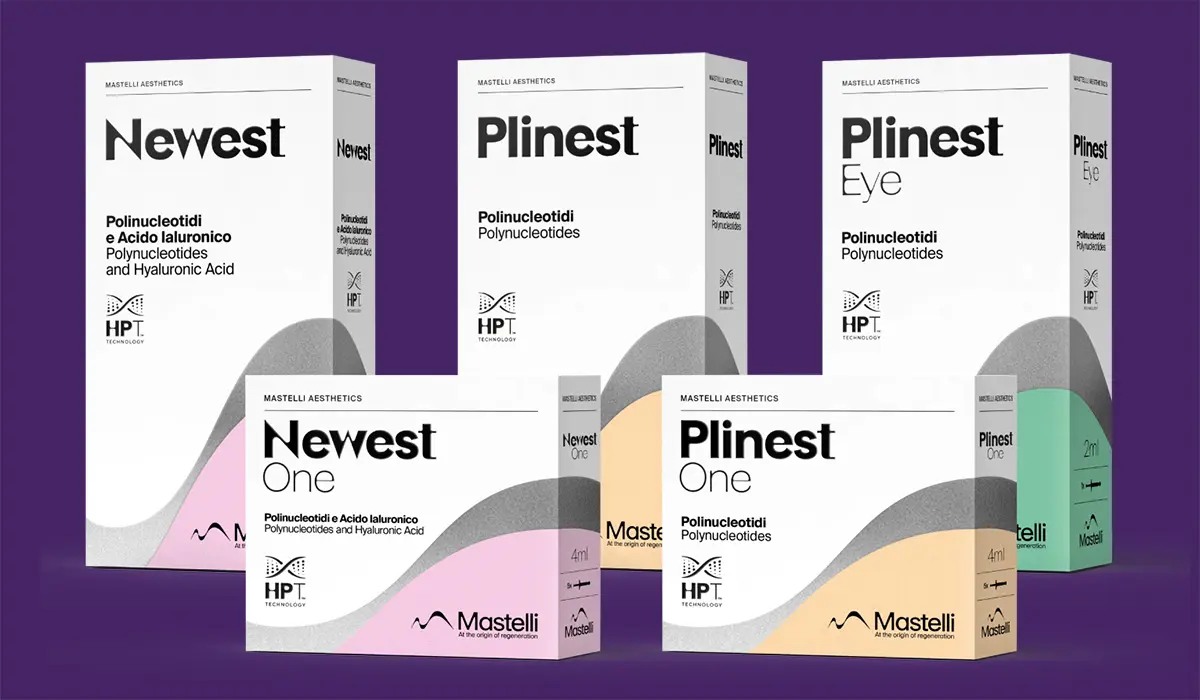
Plinest is one of the most advanced formulations of polynucleotides on the market, developed by Mastelli, an Italian pharmaceutical company known for its pioneering research in regenerative medicine. It’s used widely across Europe and is gaining popularity worldwide for its effectiveness and safety profile.
How Does Plinest Work?
Stimulating Fibroblast Activity
The core mechanism of Plinest begins with its interaction with fibroblasts—the key cells responsible for producing collagen, elastin, and extracellular matrix components in the skin.
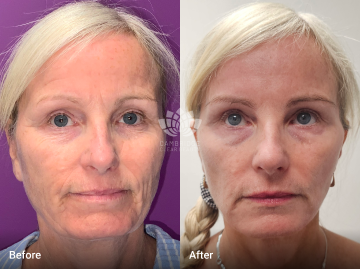
When Plinest is injected into the dermis, it stimulates these fibroblasts to “wake up” and become more active. As a result, the skin begins to produce more collagen and elastin, leading to a visible improvement in elasticity, firmness, and overall skin quality over time.
Enhanced Tissue Hydration
Polynucleotides have an extraordinary ability to attract and retain water molecules. This natural hydration boost gives the skin a more plump, dewy appearance, improving texture and reducing the appearance of fine lines and dullness.
Unlike dermal fillers, which add volume mechanically, Plinest encourages the skin to hydrate itself from within—offering a more natural and gradual rejuvenation.
Anti-Inflammatory Effects
Polynucleotides also have anti-inflammatory and antioxidant properties. They help calm irritated or damaged skin by modulating the inflammatory response and neutralising harmful free radicals.
This makes Plinest especially beneficial for patients with rosacea, acne-prone skin, or skin that has been compromised by external aggressors like UV damage or pollution.
Tissue Repair and Cellular Turnover
Perhaps the most exciting function of Plinest is its ability to support tissue regeneration. By enhancing cellular turnover and stimulating the repair of damaged tissues, Plinest helps restore the structural integrity of the skin at a fundamental level.
This makes it particularly effective not just for anti-aging, but also for:
- Acne scarring
- Stretch marks
- Post-laser recovery
- Skin damaged by chronic sun exposure
What Makes Plinest Different?
Not all polynucleotide treatments are created equal. Plinest stands out due to:
- High Purity: The DNA used is highly purified to eliminate immune-reactive components, making it safe and well-tolerated.
- Biocompatibility: Thanks to its natural origin and careful processing, Plinest integrates seamlessly into the skin’s cellular environment.
- Versatility: It can be used on the face, neck, décolletage, hands, and even more delicate areas like under the eyes.
- Minimal Downtime: Most clients experience only mild redness or swelling that subsides within 24–48 hours.
What Is a Plinest Treatment Like?
A typical Plinest treatment involves a series of microinjections administered in the target area using a fine needle or cannula. The procedure takes around 30–45 minutes and can be done with a topical anaesthetic to minimise discomfort.
For optimal results, most practitioners recommend an initial protocol of 3–4 sessions spaced 2–3 weeks apart, followed by maintenance treatments every 4–6 months.
Results are usually visible within a few weeks, with continued improvement over time as the skin regenerates from the inside out.
Who Is It For?
Plinest is suitable for a wide range of individuals, including:
- People in their 30s–60s seeking natural rejuvenation
- Those with dehydrated, sun-damaged, or ageing skin
- Clients recovering from laser treatments or chemical peels
- Individuals with mild to moderate acne scarring
- Anyone interested in prevention and maintenance of skin quality
It is especially ideal for those who want to improve skin tone and texture without adding volume or altering facial structure—making it a great choice for people looking for subtle, natural-looking enhancement.
In Summary
Plinest Polynucleotides are more than just a trend—they represent a new frontier in skin health and aesthetics. By working with the body’s own cellular mechanisms, Plinest offers a holistic, science-backed approach to skin regeneration.
Whether you’re looking to restore radiance, improve skin tone, or support recovery after a procedure, Plinest can be a powerful ally in your skincare journey. With its gentle yet effective action, it’s no wonder more patients—and practitioners—are turning to polynucleotides as the foundation for long-term skin wellness.
For more information on the Plinest Polynucleotides contact Cambridge Clear Beauty.