






If you’re considering facelift surgery, you’ve likely discovered there isn’t just one type of procedure. With several surgical approaches available, you might be wondering which facelift option best suits your concerns, goals and stage of facial ageing.
At Cambridge Clear Beauty, Mr Ahmad has extensive experience in medical aesthetics and is here to help you achieve natural-looking and long-lasting results. We’ve broken down the various facelift techniques in this guide to help you understand what each procedure involves, who it’s best suited for and what kind of results you can expect.
What is a Facelift?
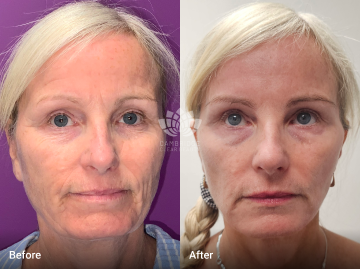
A facelift, medically known as rhytidectomy, is a surgical procedure designed to address visible signs of ageing in the lower face and neck. The surgery works by lifting and repositioning sagging facial tissues, removing excess skin and, in many cases, tightening the underlying muscle structures that support your face.
Facelifts typically treat the following areas:
- Cheeks and mid-face region
- Jawline definition
- Jowls (sagging tissue along the jaw)
- Neck bands and loose neck skin
- Nasolabial folds (lines running from nose to mouth)
- Deep creases and facial volume loss
The reason multiple facelift techniques exist is simple. Everyone ages differently, and facial anatomy varies considerably from person to person. Your skin quality, degree of laxity, bone structure, lifestyle factors and aesthetic goals all influence which surgical approach will deliver the best results for you.
Your suitability for a particular facelift technique depends on factors such as your age, degree of skin laxity, facial anatomy, overall health and your personal aesthetic goals. At Cambridge Clear Beauty, a thorough consultation with experienced plastic surgeon Mr Ahmad is essential to determine which approach is right for you.

Some of the different types of facelifts include a SMAS Facelift, a Deep Plane Facelift and a Mini Facelift.
What Are the Different Types of Facelifts?
Modern facelift surgery offers a range of techniques, each designed to address specific concerns and degrees of facial ageing. Here’s a comprehensive overview of the main facelift types available:
| Facelift type | Best for | Areas treated | Invasiveness | Recovery time | Longevity of results |
|---|---|---|---|---|---|
| Mini Facelift | Mild sagging, early jowls | Lower face, jawline | Less invasive | 1-2 weeks | 5-7 years |
| SMAS Facelift | Moderate facial ageing | Lower face, jowls and neck | Moderate | 2-3 weeks | 10-15 years |
| Deep Plane Facelift | Advanced ageing, significant sagging | Cheeks, mid-face, jowls and neck | More invasive | 3-4 weeks | 15+ years |
| Lower Facelift | Jawline and jowl concerns | Jawline, jowls, upper neck | Moderate | 2-3 weeks | 8-12 years |
| Mid Facelift | Cheek volume loss, mid-face descent | Cheeks, under-eye area | Less invasive | 1-2 weeks | 5-8 years |
Mini Facelift
Most suitable for:
- Mild to moderate facial ageing
- Early jowling and minor skin laxity
- Those seeking faster recovery times
- Patients wanting to address ageing concerns before they become pronounced
A mini facelift, sometimes called a short-scar facelift or limited-incision facelift, is a less invasive procedure designed for patients with mild to moderate facial ageing. This technique uses shorter incisions, typically around the ears, to lift and tighten the lower face and jawline.
The trade-off with a mini facelift is longevity. While results are natural-looking and can take years off your appearance, they typically last 5-7 years rather than the decade or more you might expect from a full facelift.
SMAS Facelift
Most suitable for:
- Moderate facial ageing
- Noticeable jowls and loss of jawline definition
- Deepening nasolabial folds
- Sagging facial skin
The SMAS (superficial musculoaponeurotic system) facelift is one of the most commonly performed facelift techniques and is considered by many surgeons to be the gold standard for facial rejuvenation. This approach goes beyond simply removing excess skin and instead addresses the underlying support structure of the face.
The SMAS is a layer of tissue that sits beneath the skin. As we age, this layer loosens and descends, contributing to sagging jowls, loss of jawline definition and facial drooping. During a SMAS facelift, Mr Ahmad lifts and repositions this deeper layer, helping to achieve longer-lasting, more natural-looking results.
Deep Plane Facelift
Most suitable for:
- Patients with advanced facial ageing
- Significant mid-face sagging
- Deep nasolabial folds and facial wrinkles
- Prominent jowls and loose neck skin
- Those seeking the longest-lasting, natural results
The deep plane facelift is a more advanced surgical technique that releases and repositions the deeper facial tissues, ligaments and fat pads beneath the SMAS layer. Rather than simply lifting the SMAS, this approach works at a deeper anatomical level to restore youthful facial proportions and volume.
Recovery from a deep plane facelift is typically longer than that of less invasive procedures, usually requiring 3-4 weeks. However, the longevity of results often makes this worthwhile for appropriate candidates, with many patients enjoying their results for 15 years or more.
Lower Facelift
Most suitable for:
- Jowling and loss of jawline definition
- Early neck sagging
- Good mid-face volume and skin quality
- Those seeking targeted lower facial improvement
A lower facelift focuses specifically on the jawline, jowls and upper neck area. This targeted approach is ideal for patients whose primary concerns centre around the lower part of the face, particularly those bothered by jowling, loss of jawline definition or early neck sagging.
This procedure is often combined with a neck lift to address both the jawline and neck. The lower facelift is particularly popular among patients who have good mid-face volume and skin quality but are bothered by heaviness and sagging in the lower face.
Mid Facelift
Most suitable for:
- Mid-face volume loss and descent
- Under-eye hollows
- Flattened nasolabial folds
- Those without significant jowling or neck concerns
A mid facelift, also called a cheek lift, specifically addresses the midsection of the face, including the cheeks, lower eyelid area and nasolabial folds. This procedure is designed to restore volume and lift to the mid-face region, which tends to lose fullness and descend with age.
The mid facelift is particularly suitable for younger patients who have experienced volume loss and descent in the cheek area but don’t yet have significant jowling or neck concerns. It’s also frequently combined with other procedures as part of a comprehensive facial rejuvenation plan.

Choosing the right facelift depends on factors such as your specific concerns, degree of facial ageing, skin quality and aesthetic goals.
Which Facelift is Right for Me?
Choosing the right facelift technique depends on multiple factors, including your specific concerns, degree of facial ageing, skin quality and aesthetic goals. While every patient is unique and requires individual assessment, here’s some general guidance on matching facelift types to common concerns.
For Mild Ageing
For patients experiencing mild ageing with early jowling and minor skin laxity, a mini facelift or lower facelift often provides excellent results without the need for more extensive surgery. These procedures offer improvement with shorter recovery times and can be ideal for patients who want to address ageing concerns before they become more pronounced.
For Sagging Jowls
If sagging jowls are your primary concern, several techniques can deliver excellent outcomes. A SMAS facelift effectively addresses moderate jowling by lifting the underlying facial structures, while a lower facelift specifically targets the jawline and jowl area. For more advanced jowling combined with mid-face changes, a deep plane facelift may offer the most comprehensive and long-lasting solution.
For Neck and Jawline Concerns
When neck and jawline concerns are your main focus, a lower facelift combined with a neck lift typically provides the best results. This combination addresses both areas, creating smooth, natural-looking contours from the jawline down to the neck.
For Advanced Facial Ageing
For patients with more advanced facial ageing, including significant mid-face descent, deep nasolabial folds, prominent jowls and loose neck skin, a deep plane facelift or comprehensive SMAS facelift usually offers the most comprehensive rejuvenation. These techniques address multiple facial areas simultaneously and provide the most long-lasting results.
The best way to determine which facelift type is right for you is a thorough consultation with Mr Ahmad. During this consultation, he will assess your facial structure, skin quality, degree of laxity and aesthetic concerns to recommend the most appropriate surgical approach for your individual needs.
Choosing the Right Facelift Surgeon
At Cambridge Clear Beauty, Mr Ahmad brings over 25 years of experience in facial surgery and aesthetic procedures. Every patient receives a personalised treatment plan, and you’ll be listened to without judgement and supported through every stage of your journey. For more information about our services or to schedule an appointment, please book a consultation on our website.
FAQs
What are the different types of facelifts?
The main types of facelifts include the mini facelift, SMAS facelift, deep plane facelift, lower facelift and mid facelift. Each technique addresses different areas of the face and varying degrees of ageing. Mini facelifts are less invasive procedures suitable for mild ageing, while SMAS and deep plane facelifts provide comprehensive rejuvenation for more advanced facial ageing.
Which facelift is right for me?
The right facelift for you depends on your specific concerns, degree of facial ageing, skin quality and aesthetic goals. Patients with mild ageing often achieve excellent results with a mini facelift or lower facelift, while those with more significant jowling and mid-face changes may benefit from a SMAS or deep plane facelift. A thorough consultation with Mr Ahmad is essential to determine the most appropriate procedure for your individual needs.
What is the best type of facelift for ageing skin?
For advanced ageing with significant skin laxity, a deep plane facelift or comprehensive SMAS facelift typically provides the most comprehensive results. These techniques address multiple facial areas simultaneously and create long-lasting, natural-looking outcomes. However, the “best” procedure always depends on your specific anatomy and concerns rather than age or skin quality alone.
What facelift is best for sagging jowls?
Sagging jowls can be effectively addressed with several facelift techniques, including the SMAS facelift, lower facelift and deep plane facelift. For moderate jowling, a SMAS or lower facelift often provides excellent results, whereas more pronounced jowling combined with midface changes may benefit most from a deep-plane facelift. Your surgeon can recommend the most appropriate approach based on the severity of your jowling and any other facial concerns you’d like to address.
What facelift works best for the neck and jawline?
For concerns focused on the neck and jawline, a lower facelift combined with a neck lift typically provides the most harmonious and comprehensive results. This combination addresses both areas simultaneously, creating smooth, natural contours from the jawline through the neck. In some cases, if neck concerns are particularly prominent, a neck lift alone may be sufficient without the need for facial lifting.
What is the difference between a mini facelift and a full facelift?
A mini facelift is a less invasive procedure that uses shorter incisions to address mild to moderate lower facial ageing, with a faster recovery (1-2 weeks) and results lasting 5-7 years. An SMAS facelift is more comprehensive, treating the lower face, jawline and neck by lifting the underlying support structures, with longer recovery (2-3 weeks) but more dramatic, longer-lasting results (10-15 years).
What is the difference between a deep plane facelift and an SMAS facelift?
A SMAS facelift lifts and repositions the superficial musculoaponeurotic system, a layer of tissue beneath the skin that supports facial structures. A deep plane facelift works at a deeper anatomical level, releasing and repositioning deeper facial tissues, ligaments and fat pads beneath the SMAS layer. Deep plane facelifts generally provide more dramatic improvements in mid-face volume and are preferred for advanced ageing, while SMAS facelifts are excellent for moderate facial ageing.
Which facelift type is best by age?
While age provides general guidance, biological ageing matters more than chronological age. Individual factors such as skin quality, degree of sun damage, genetics and lifestyle all influence which procedure is most suitable. The best approach is determined through consultation with Mr Ahmad, who can assess your specific anatomy and concerns.