
What to Expect During and After Mole Removal Treatment
Mole removal is a common dermatological procedure. People undergo it for medical or cosmetic reasons. You might feel uncertain about the process if you’re concerned about a mole’s appearance, changes in size or shape, or potential links to skin cancer. This guide explains what to expect during the consultation, the actual mole removal treatment, the recovery period, and the aftercare needed for proper healing.
Initial Consultation
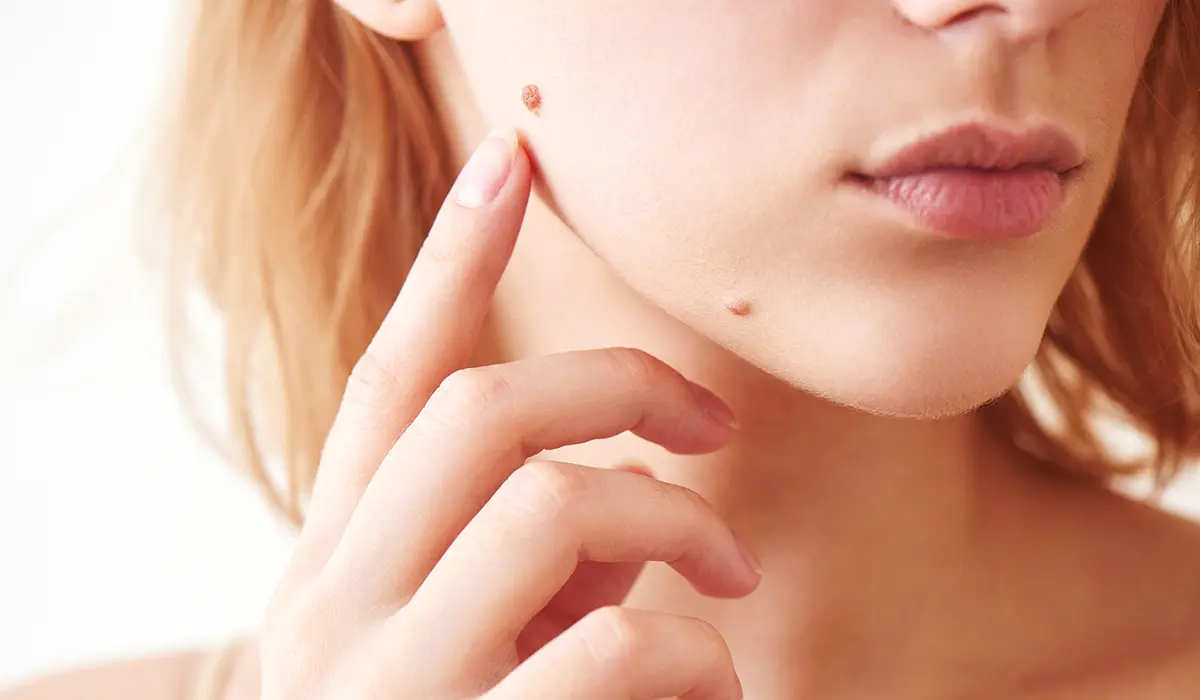
Your journey begins with an initial consultation. This typically happens with a GP, dermatologist, or skin specialist. During this appointment, the healthcare provider assesses the mole. They examine its size, colour, borders, and any changes over time. If they suspect malignancy (like melanoma), they may refer you for further tests or a biopsy before removal.
For cosmetic mole removal, the consultation focuses more on your aesthetic goals and expectations. The practitioner explains available removal methods, discusses risks and benefits, and helps you choose the best approach. This depends on the mole’s location, depth, and appearance. You may also receive a quote for the procedure’s cost if done privately. The NHS typically does not cover mole removal unless there’s a medical concern.
The Mole Removal Procedure
Several methods remove moles. The chosen technique depends on the mole’s type and characteristics. Here are the most common options:
- Excision with stitches: A scalpel cuts out the mole, along with a small margin of surrounding skin. Stitches close the wound. Doctors typically use this method for deeper or potentially cancerous moles.
- Excision with shave: A surgical blade shaves the mole flat with the skin. This is usually for raised moles that do not penetrate deeply.
- Laser removal: A high-intensity laser breaks down pigment in the mole. This method is generally for smaller, non-cancerous moles. It is less invasive but may require multiple sessions.
- Cryotherapy: Liquid nitrogen freezes off the mole. This is more common for warts or skin tags, but occasionally applies to superficial moles.
Most mole removal procedures use local Anaesthetic. This means the area will be numb, and you won’t feel pain during treatment. The entire process typically takes 20 to 45 minutes. This depends on the number and size of moles removed.
Recovery After Mole Removal
After the procedure, you receive instructions on caring for the treated area. Healing varies based on removal type, skin type, and how well you follow aftercare advice. Generally, expect some redness, swelling, or tenderness around the area for a few days.
If stitches were used, you typically return within 7 to 14 days to have them removed (unless dissolvable stitches were used). Keep the area clean and dry, especially during the first 24–48 hours after treatment. Most people return to work or normal activities the same or following day. However, avoid strenuous exercise for a few days to prevent irritation or reopening the wound.
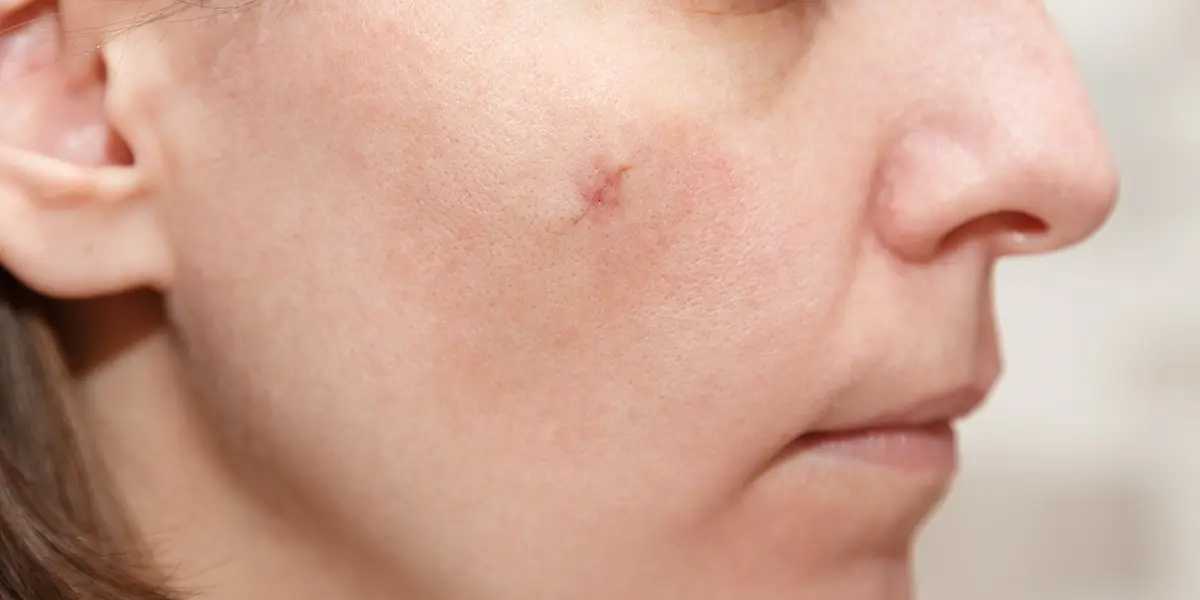
Scabbing is a normal part of healing. Do not pick at scabs, as this increases the risk of scarring or infection. The scar may initially appear red or pink but fades over time. In most cases, scars become much less noticeable after a few months, especially if you follow proper aftercare advice.
Aftercare Tips
Proper aftercare minimises infection risk and promotes smooth healing. Here are some general tips to follow after mole removal:
- Keep the area clean: Gently wash the area with mild soap and lukewarm water. Avoid scrubbing.
- Apply any prescribed ointments: Your clinician may recommend an antibiotic cream to prevent infection.
- Use a sterile dressing: Cover the area with a plaster or bandage, especially if it’s in a location that may rub against clothing.
- Avoid sun exposure: UV rays can darken scars. Keep the area protected or use SPF 30+ sunscreen once the wound closes.
- Watch for signs of infection: Worsening redness, pus, or increasing pain could indicate infection. Contact your clinic or GP if you notice these symptoms.
Follow-Up and Mole Testing
If doctors removed the mole for medical reasons, they often send it to a lab for histological analysis. This checks for abnormal or cancerous cells. If they find anything concerning, your healthcare provider contacts you to discuss next steps.
If doctors removed the mole for purely cosmetic reasons, lab testing may not be necessary. However, always understand your mole’s nature before opting for removal.
When to Seek Help
Complications are rare. However, seek medical advice if you experience any of the following after mole removal:
- Excessive bleeding that doesn’t stop after applying pressure
- Signs of infection such as redness, warmth, pus, or fever
- Severe pain or discomfort that worsens over time
- A recurrence of the mole or changes in the surrounding skin
Final Thoughts
Mole removal is a straightforward, low-risk procedure when qualified professionals perform it. Understanding what to expect during and after treatment helps you feel more confident and prepared. Whether you seek peace of mind about a suspicious mole or want to remove one for aesthetic reasons, proper care and follow-up ensure the best results and minimise long-term effects.
If you’re considering mole removal in the UK, consult a licensed medical professional or private clinic. Discuss your options and find the right approach for your needs.
For more information on Mole Removal Treatment contact Cambridge Clear Beauty.